Jet lag can do strange things to the mind. We both tried in vain to stay awake until usual night bedtime, but I gave in to the tiredness and fell sound asleep very early Sunday evening. Awaking suddenly at 11:00 p.m., I stumbled out of bed, wondering why there was carpet in my imagined cave-room. I also worried that I was late meeting the rest of our pilgrim group, until John reminded me the trip was over and we were alone at home.
Thankfully, I returned to a refreshing, deep sleep and spent yesterday making sure our refrigerator was restocked and all trip photos edited. I’ve had time to think about the past two weeks, and here’s both the negative and positive.
Don’t go to the Middle East unless you’re in good health physically. Handicapped access is not available at most places, especially the most venerated holy sites. If you think walking an hour a day prepares you, think again. We walked five to six hours most days.
Pack microfiber washcloths that rinse out and dry quickly. Many hotels do not provide any. Carry a small roll of toilet paper in your backpack or purse, as you can go into stalls bereft of such luxury. And don’t forget the Imodium or Pepto. Many on our trip had tummy troubles. (John and I had a little wine every evening and drank only bottled water; we also avoided fresh lettuce that many times seemed to be unwashed.)
Most places took American dollars. Some toilets had cleaning people waiting to take “tips” of dollars for usage of the facilities. We carried lots of one-dollar and five-dollar bills. And if you travel in the Middle East, go in a tour group as much as possible. They pre-arrange accommodations, places to eat, and entry fees. The guides are knowledgeable and make it safer and smoother overall.
As for my thoughts on the “holy sites” visited, I was disappointed to learn that many of the places had been “picked” under the direction of Constantine’s mother three centuries after Christ. They may or may not be actual places that Jesus did purported acts, but they all have first-century connections. Yes, archaeologists continue to uncover many sites that prove to have a Biblical basis, and the discovery of the Dead Sea Scrolls in the 20th century also bear out remarkable consistency to older Biblical translations.
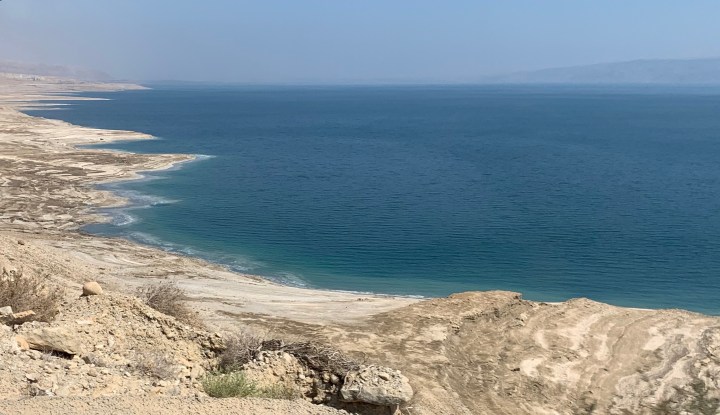
Yet the one persistent thought remains: I walked where Jesus walked. From the streets of Jerusalem to the Sea of Galilee to the Dead Sea, there are ancient places preserved alongside the busy commerce of modern life. Hordes of pilgrims from three major religions are drawn to the areas called Israel and Palestinian Authority. Guarded by gun-toting soldiers, walls and barriers still remain. Land areas continue to be disputed, yet the tourist industry thrives for those who come to believe.
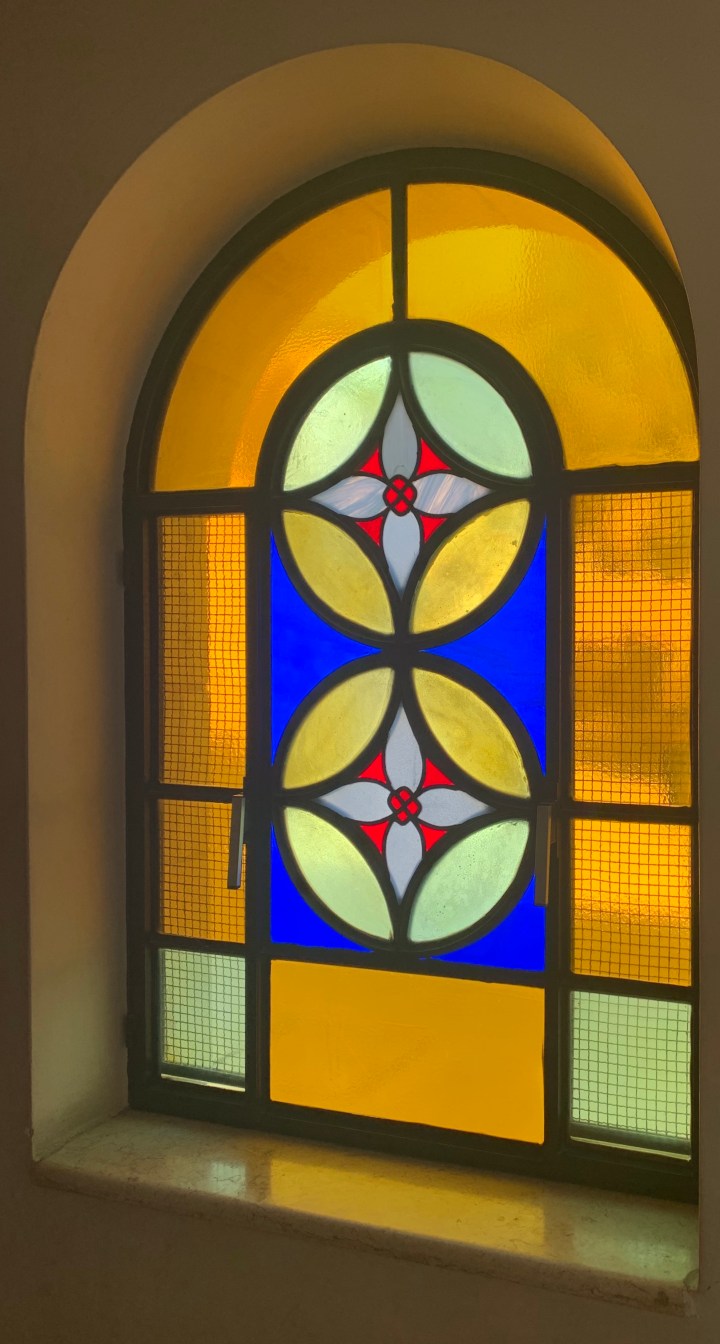
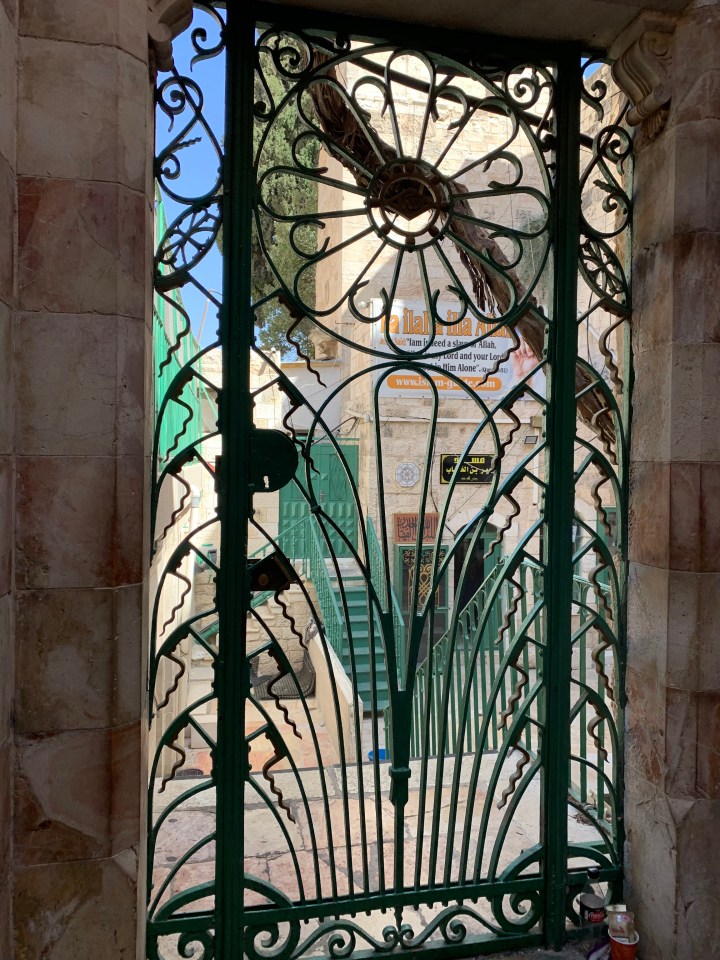
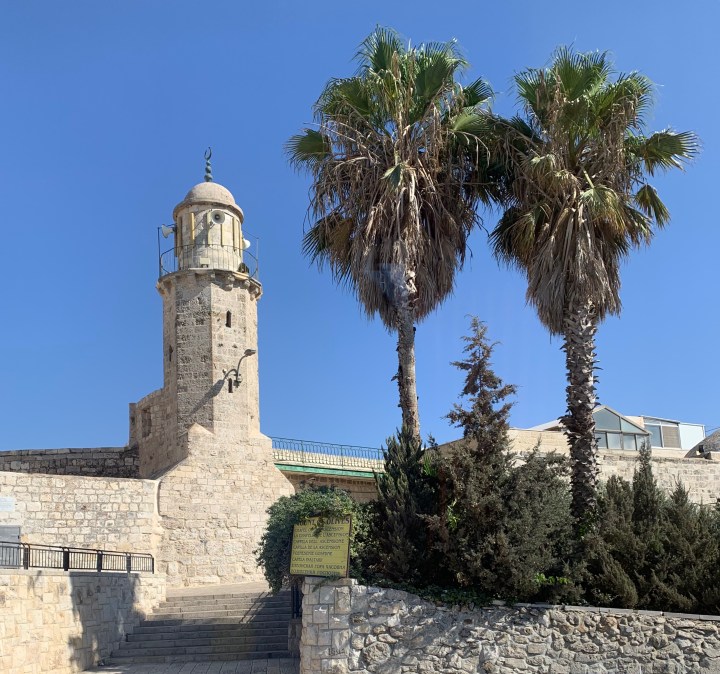
While I have thousands of photos with mosaics (for possible future quilts:) and doors and windows and buildings (I love architectural features:), the quieter places spoke to my soul–the mist-enshrined boat on the Sea of Galilee, and the beautiful Garden Tomb, where we participated in a sweet communion service.
Who was Jesus Christ to you? Was he one of many prophets? Was he just a good teacher? Was he a crazy person who led people to kill him for blasphemy? Or was he really the scorned Messiah who suffered and died as the ultimate sacrifice for your sin–and is actually resurrected and coming again? I choose to believe the latter.
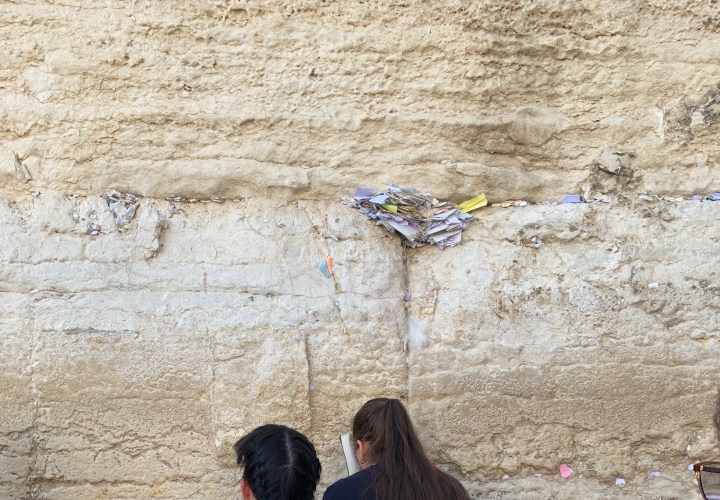
Shalom, my friends. As the Jewish people come to the Western Wall to insert their written prayers into the stone and pray for the peace of their land, may we also pray for the Messiah to break through the walled-up Golden Gate in Jerusalem. In the meantime, may He break through and soften our hearts.






 jlmazunikblog