Summary Thoughts

Jet lag can do strange things to the mind. We both tried in vain to stay awake until usual night bedtime, but I gave in to the tiredness and fell sound asleep very early Sunday evening. Awaking suddenly at 11:00 p.m., I stumbled out of bed, wondering why there was carpet in my imagined cave-room. I also worried that I was late meeting the rest of our pilgrim group, until John reminded me the trip was over and we were alone at home.

Thankfully, I returned to a refreshing, deep sleep and spent yesterday making sure our refrigerator was restocked and all trip photos edited. I’ve had time to think about the past two weeks, and here’s both the negative and positive.

Don’t go to the Middle East unless you’re in good health physically. Handicapped access is not available at most places, especially the most venerated holy sites. If you think walking an hour a day prepares you, think again. We walked five to six hours most days.

Pack microfiber washcloths that rinse out and dry quickly. Many hotels do not provide any. Carry a small roll of toilet paper in your backpack or purse, as you can go into stalls bereft of such luxury. And don’t forget the Imodium or Pepto. Many on our trip had tummy troubles. (John and I had a little wine every evening and drank only bottled water; we also avoided fresh lettuce that many times seemed to be unwashed.)

Most places took American dollars. Some toilets had cleaning people waiting to take “tips” of dollars for usage of the facilities. We carried lots of one-dollar and five-dollar bills. And if you travel in the Middle East, go in a tour group as much as possible. They pre-arrange accommodations, places to eat, and entry fees. The guides are knowledgeable and make it safer and smoother overall.

As for my thoughts on the “holy sites” visited, I was disappointed to learn that many of the places had been “picked” under the direction of Constantine’s mother three centuries after Christ. They may or may not be actual places that Jesus did purported acts, but they all have first-century connections. Yes, archaeologists continue to uncover many sites that prove to have a Biblical basis, and the discovery of the Dead Sea Scrolls in the 20th century also bear out remarkable consistency to older Biblical translations.

Yet the one persistent thought remains: I walked where Jesus walked. From the streets of Jerusalem to the Sea of Galilee to the Dead Sea, there are ancient places preserved alongside the busy commerce of modern life. Hordes of pilgrims from three major religions are drawn to the areas called Israel and Palestinian Authority. Guarded by gun-toting soldiers, walls and barriers still remain. Land areas continue to be disputed, yet the tourist industry thrives for those who come to believe.

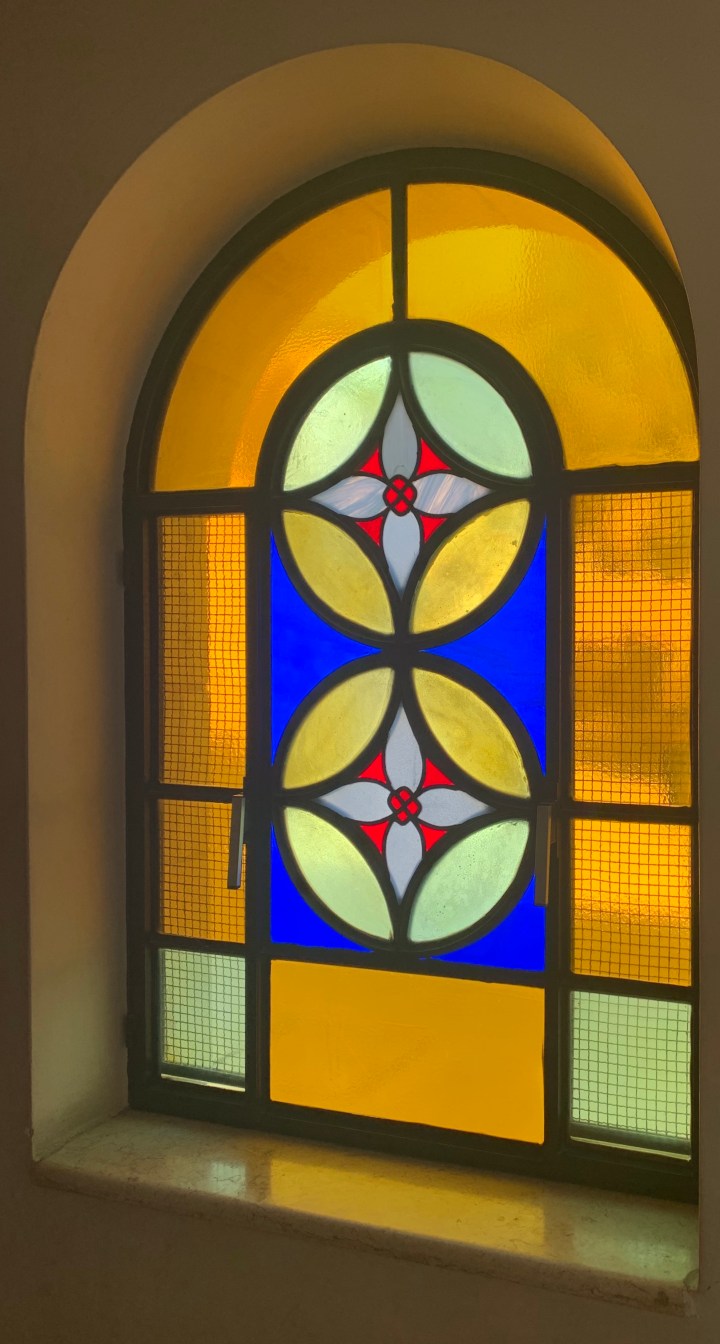
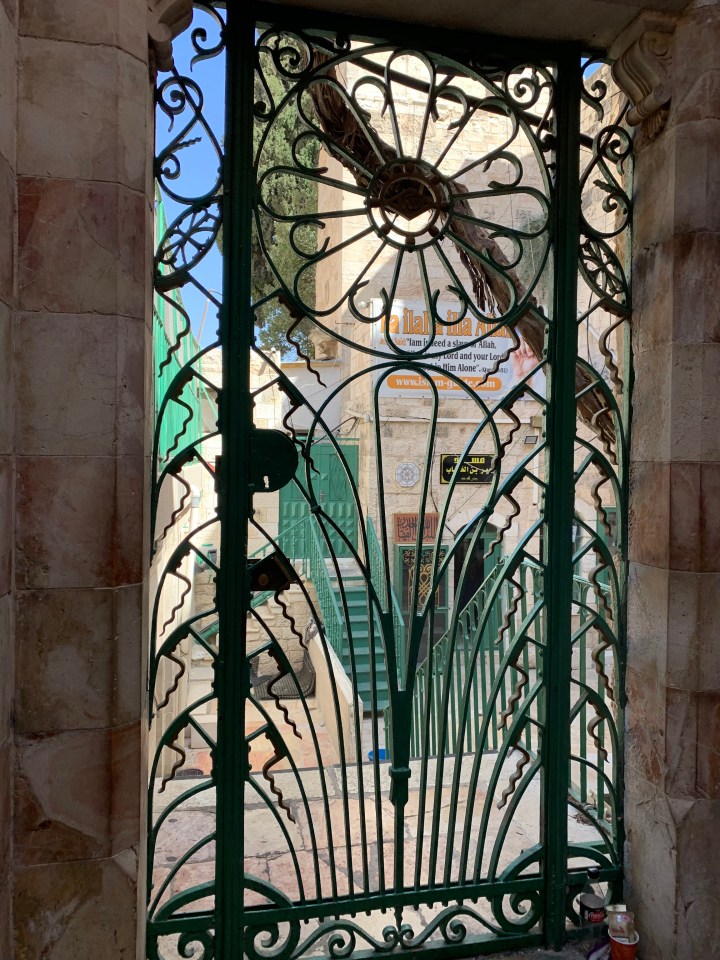
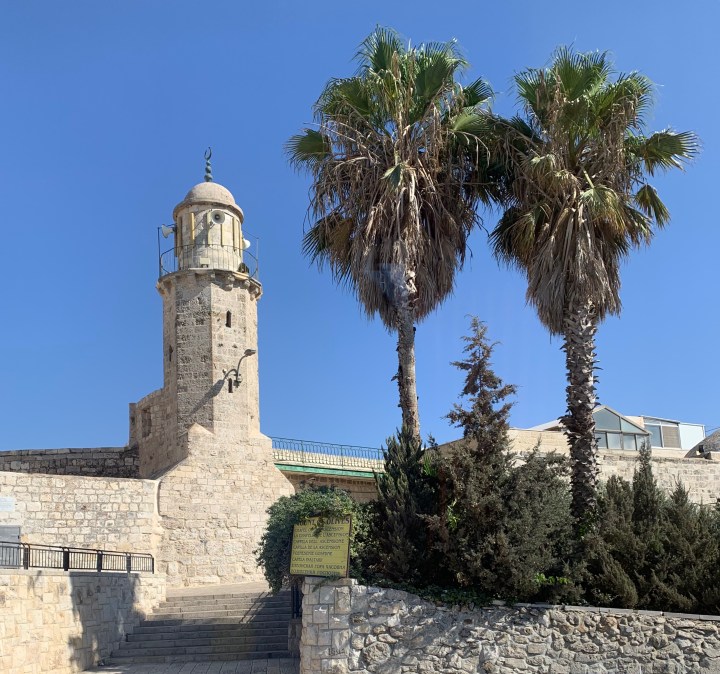
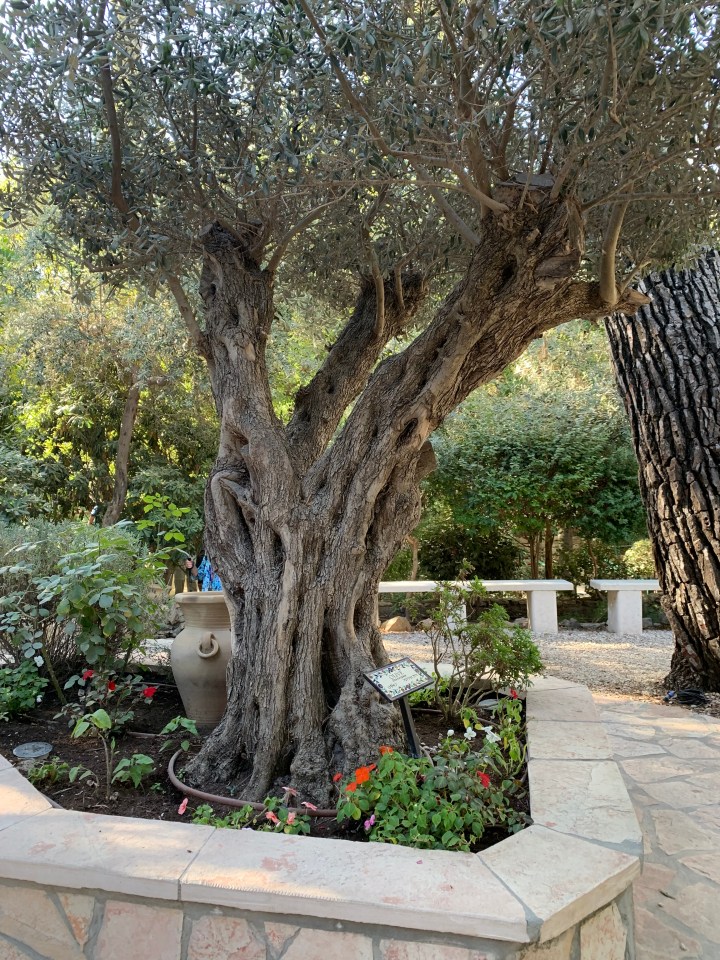
While I have thousands of photos with mosaics (for possible future quilts:) and doors and windows and buildings (I love architectural features:), the quieter places spoke to my soul–the mist-enshrined boat on the Sea of Galilee, and the beautiful Garden Tomb, where we participated in a sweet communion service.

Who was Jesus Christ to you? Was he one of many prophets? Was he just a good teacher? Was he a crazy person who led people to kill him for blasphemy? Or was he really the scorned Messiah who suffered and died as the ultimate sacrifice for your sin–and is actually resurrected and coming again? I choose to believe the latter.

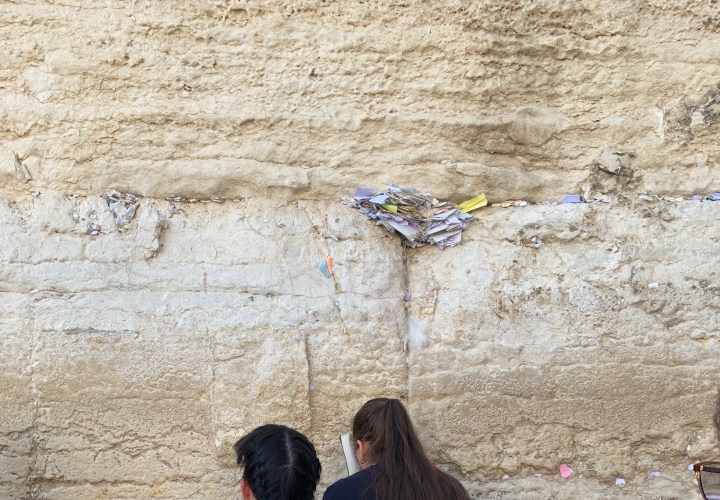
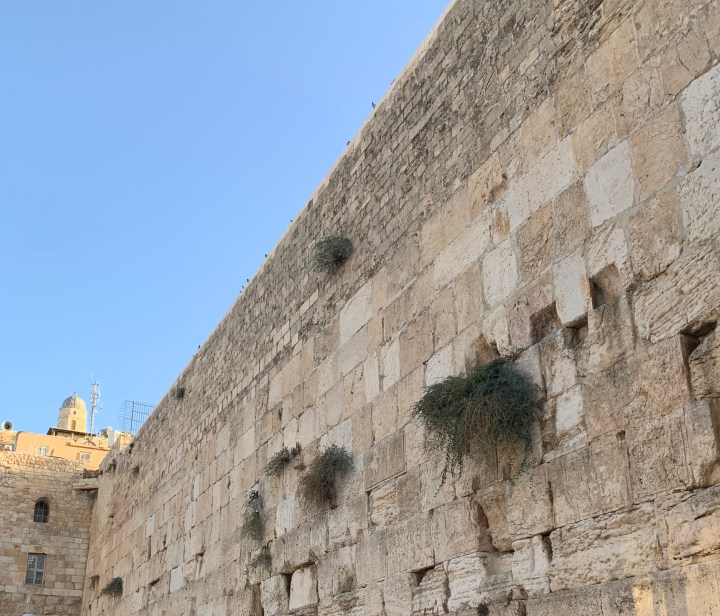
Shalom, my friends. As the Jewish people come to the Western Wall to insert their written prayers into the stone and pray for the peace of their land, may we also pray for the Messiah to break through the walled-up Golden Gate in Jerusalem. In the meantime, may He break through and soften our hearts.

From Scorching Heat to Pleasant Breezes

Our last day in Israel began with the group breakfast as usual in the monastery-converted-to-hotel. We then drove back into the desert to go to Masada and the Dead Sea.

Although we left early to take the cable car up to the top of Masada, it was beastly hot by mid-morning. I was thankful for a water bottle and a shady hat. I would say that our tour throughout Herod’s palace ruins was quite fascinating. He never really lived there, and a Jewish settlement moved in. It makes me want to watch that older Masada movie–although it’s a sad story of the entire community committing mass suicide rather than be enslaved by the Romans.

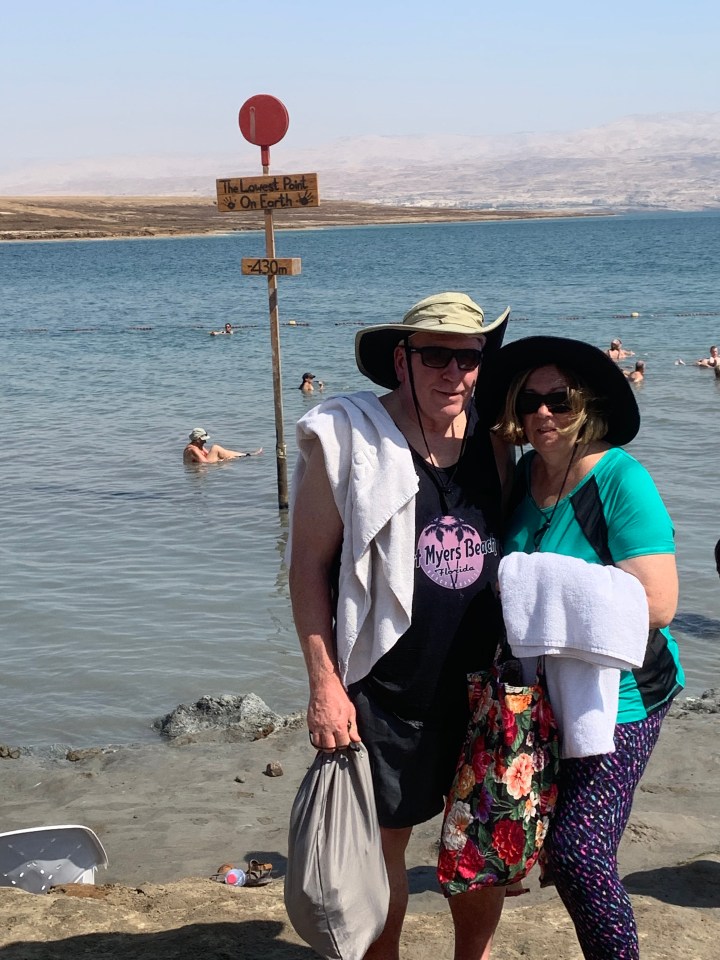
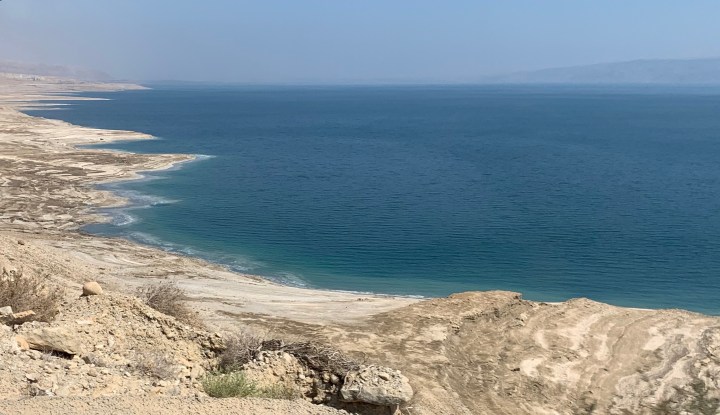
On our way back to Jerusalem we stopped at the north end of the Dead Sea to experience the extreme buoyancy of its waters. Part of the road had been rebuilt because the receding waters (about 3 feet annually) had left many sinkholes. It’s hard to believe that the Dead Sea is the lowest point in the world–below sea level. John immediately floated but I couldn’t put my legs down to walk out–so had to flip from my back to my stomach and crawl like a muddy salamander onto shore. The water itself feels both salty and oily, and I can see why its mud is used in beauty products. My skin is still soft!
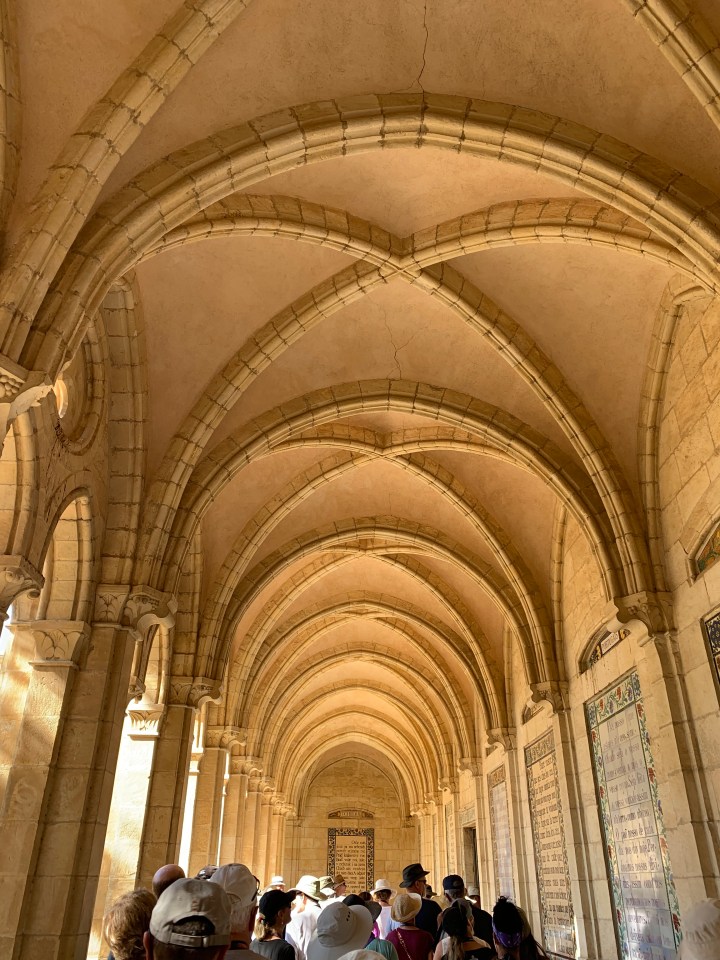
After returning to the hotel for cleaning and packing, all of us walked to the nearby Notre Dame of Jerusalem Center for an amazing meal on its rooftop restaurant with a 360-degree view of Jerusalem. We enjoyed salad varieties, bread, either salmon or beef filet main course, and a dessert–along with red or white wine.

Now we’re on the way to the Tel Aviv Airport for our return home. Our flight is scheduled for midnight departure. I’ll try to post a collage of some favorite photos within a few days.

Shalom!

Quietness and Chaos

In the morning our bus took us to the beautiful and relatively quiet Garden Tomb, and in the afternoon we walked into the chaotic press of people in the incense-filled Church of the Holy Sepulcher.
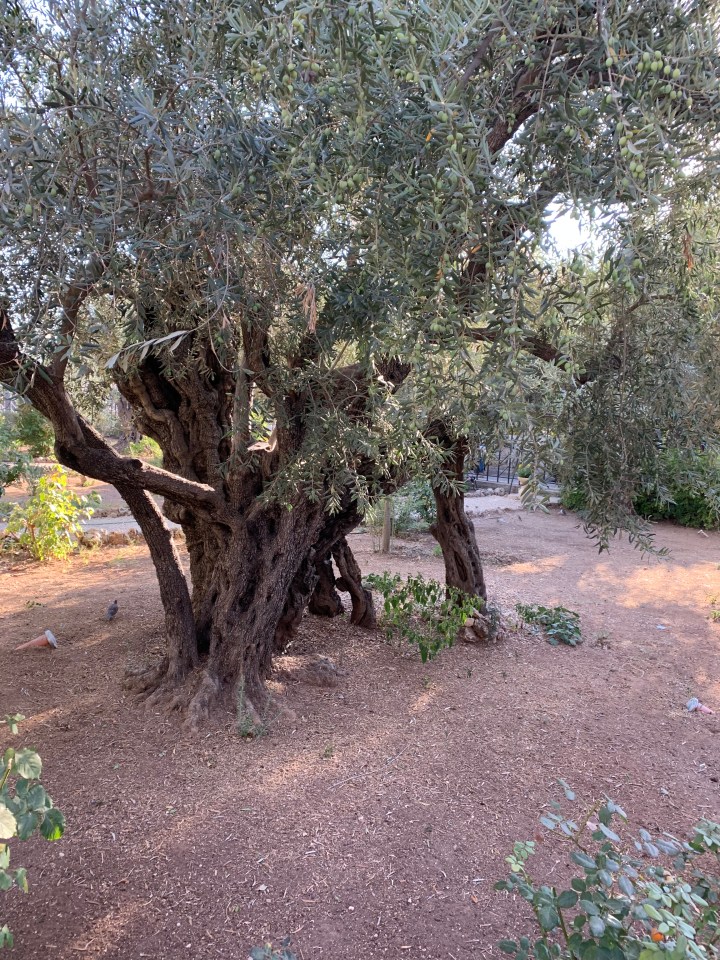
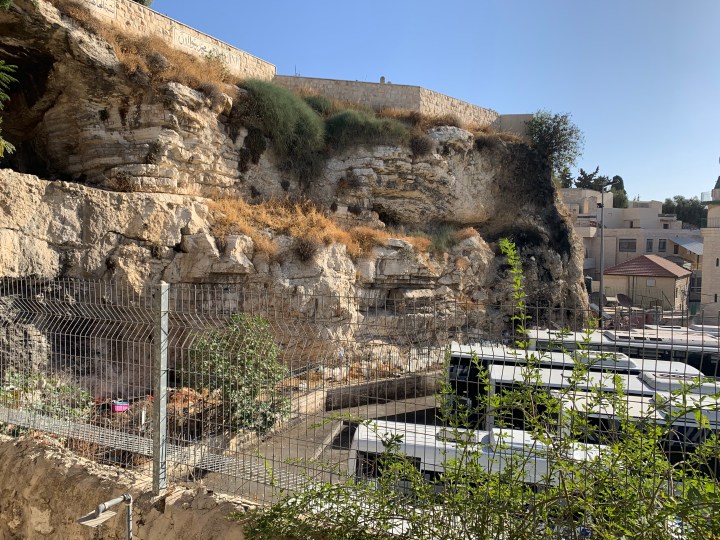
The Garden Tomb became popular with Protestants as the possible place of Jesus’ crucifixion and burial, as it matches some of the key descriptions found in the New Testament. Ironically, a bus station and mosque fill the space just below “the place of the skull” rock cliff. At the least, the nearby tomb is an authentic 1st century burial spot carved out of the rock cliff. We enjoyed a quiet communion service led by Pastor Brad in one of the garden’s open-air meeting places.

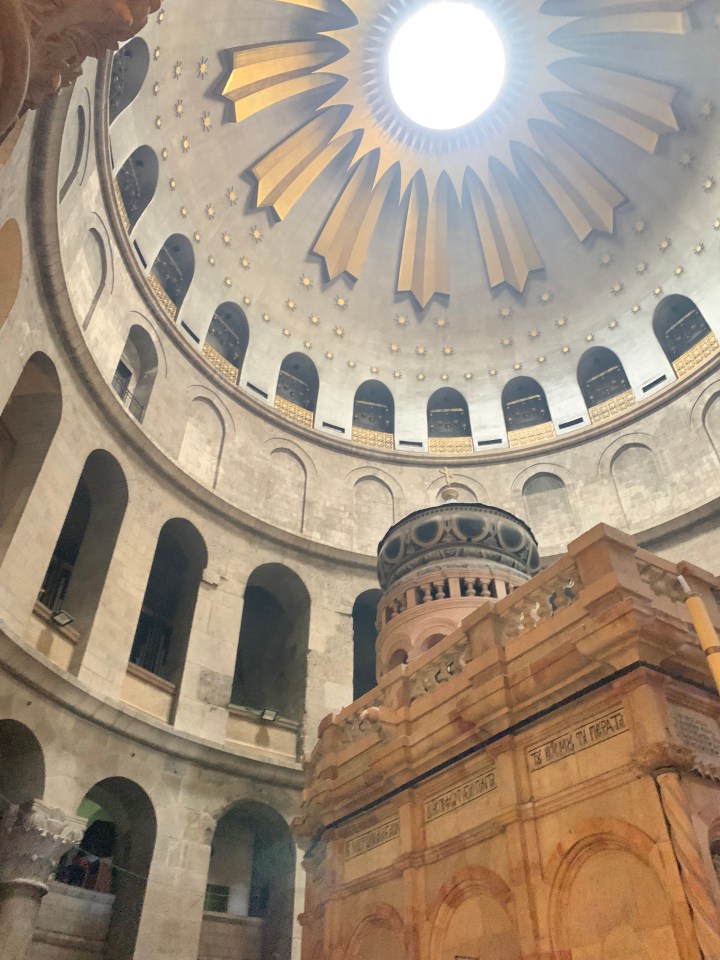
Juxtaposed to the Garden Tomb is the Church of the Holy Sepulcher, which has been venerated since Constantine’s mother Helen declared the site to be the authentic place of Christ’s crucifixion and burial. The church itself is huge, with different wings or sections for Catholics, Orthodox, Coptic, etc. Long lines wait to kiss the rock upon which Jesus was purportedly killed. And another long line wraps around the chapel area waiting to see the rock slab Christ was (maybe) laid on. The mingling of many incense aromas fill the space.

We also went to several sites on Mount Zion, including the Upper Room, the Tomb of King David, and the Church of St. Peter in Gallicantu. This church is built at high priest Caiphas’ house, and is said to be the place where St. Peter three times denied knowing Jesus.

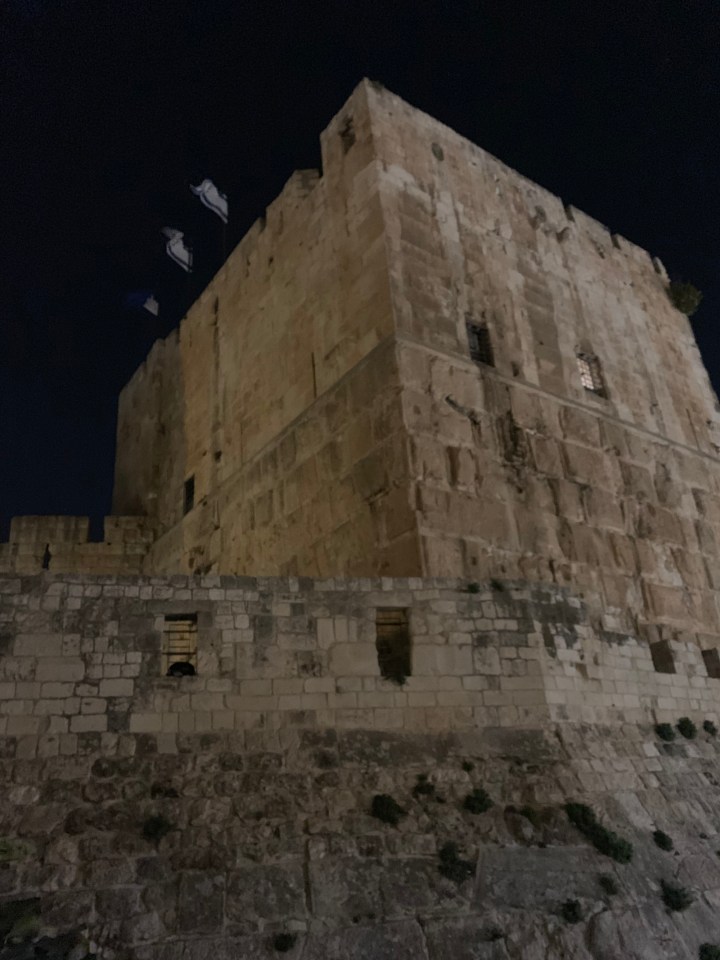
Another observation of the city came from the top of the Citadel, or the Tower of David, where we saw a laser light show a few nights ago. It helped to view another perspective of the city from above.

Even though we have a bus to take us around the walls of the Old City, we have mostly walked to these places. We certainly get our exercise!

10,000+ Steps Before Lunch!

A very early wake-up call (5:30) signified a busy day. At sunrise we began walking through our home base at the Knights Palace in the Christian quarter of the Old City to the Western Wall, a remnant of an ancient wall that surrounded the Jewish Temple’s courtyard. We had to undergo a security check before entering the large plaza area. Sometimes known as the Wailing Wall to Westerners, the constant praying there is an astonishing sight. Men and women go to separate sections, with the men located closest to the original site of the Holy of Holies in the Temple. Thousands of bits of paper have been stuck in the wall cracks; they are prayers to God. Many sway and chant as they pray for the peace of Jerusalem.

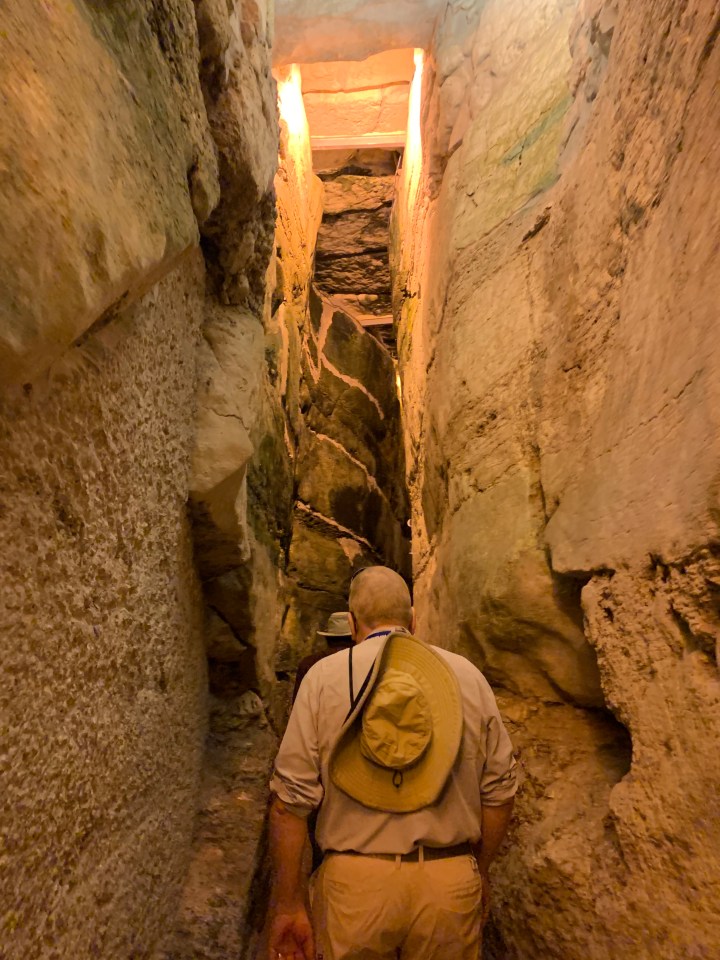
Because of size limitation, we split into two groups to go through the Western Wall Tunnel. Passageways are still being excavated. The tunnel exit comes out at the remains of a fortress believed to be the place where Jesus went on trial before Herod.

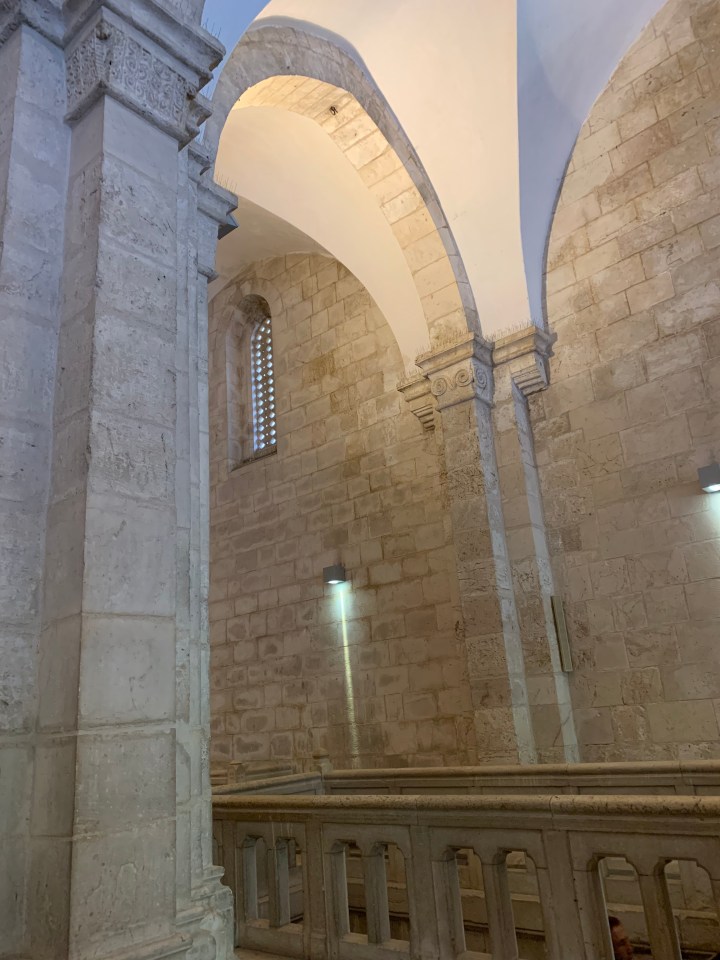
Rather than go to the Church of the Sepulcher today where the last Stations of the Cross are located, we walked to the Church of St. Anne, probably the best-preserved Crusader-era church. Anne is said to be the Virgin Mary’s mother, and this building marks Mary’s birthplace. We sang along with a group of worshippers after entering, and then one of our own young ladies in our group sang a beautiful solo.

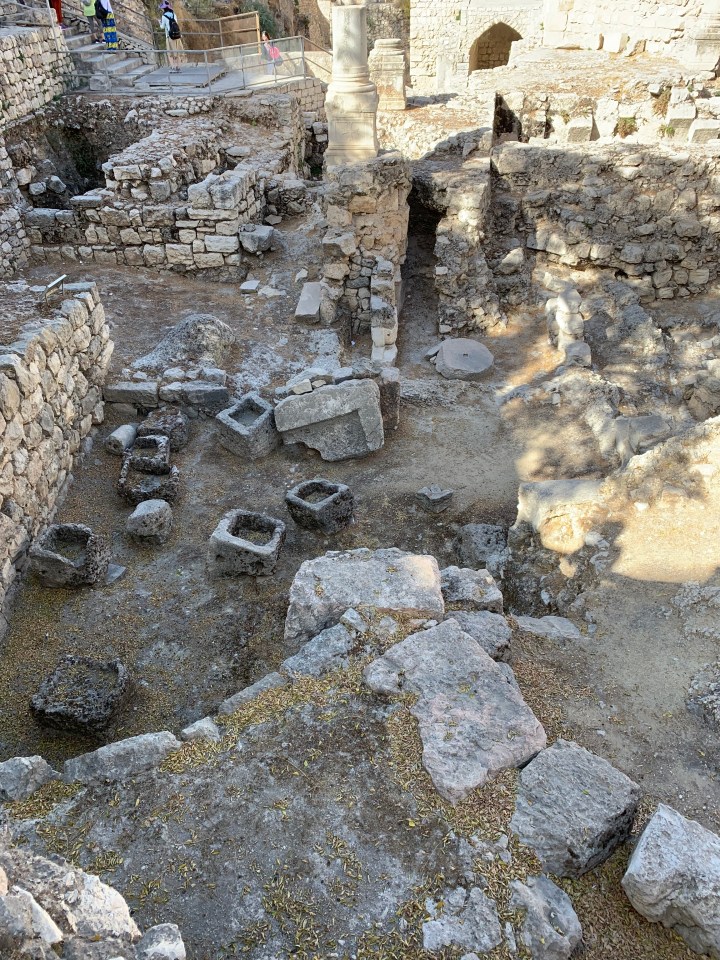
Outside the church stands the ruins of the Pools of Bethesda, where the Apostle John records that Jesus healed a man who had been lame for 38 years. Not being just one pool, we walked down into the areas which included the ruins of a Byzantine church.

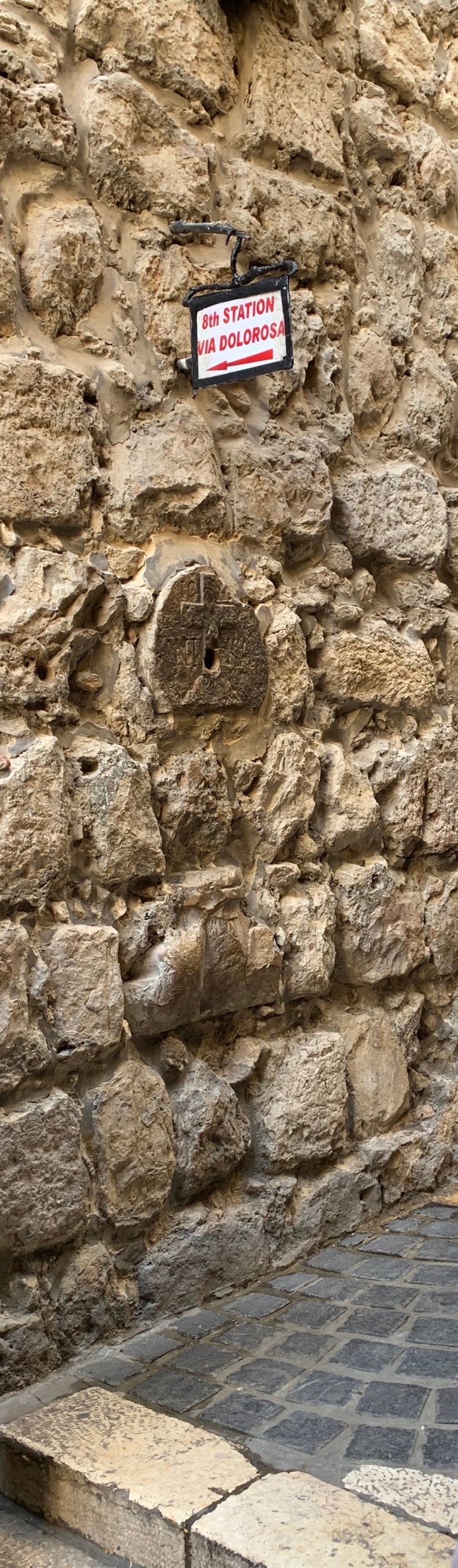
We then walked along the Via Dolorosa, viewing some of the Stations of the Cross where Jesus stumbled and fell–or had been helped–while carrying the cross to his own crucifixion. There are differing opinions as to exact spots, though.

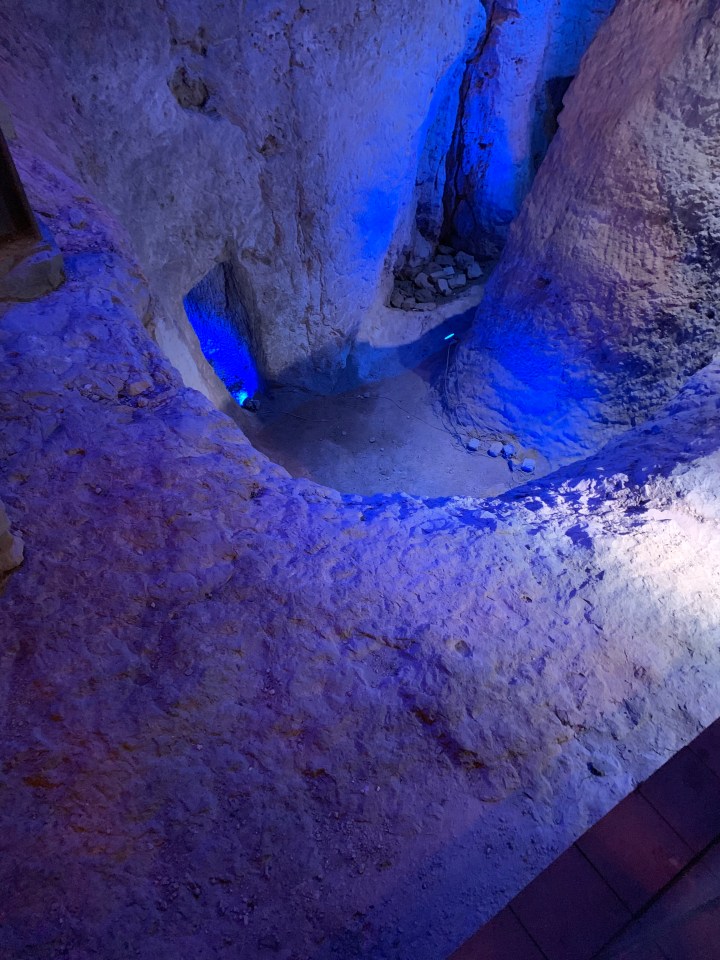
Time for another tunnel! We walked down into passageways beside the main water source for ancient Israel, the Gihon Spring. During the reign of King Hezekiah, he blocked part of the spring and channeled water to another part of the city during an Assyrian siege. A few of our group decided to walk through Hezekiah’s tunnel, where water goes thigh-high at times. That’s an exploration I chose not to do–it sounded dark and scary!

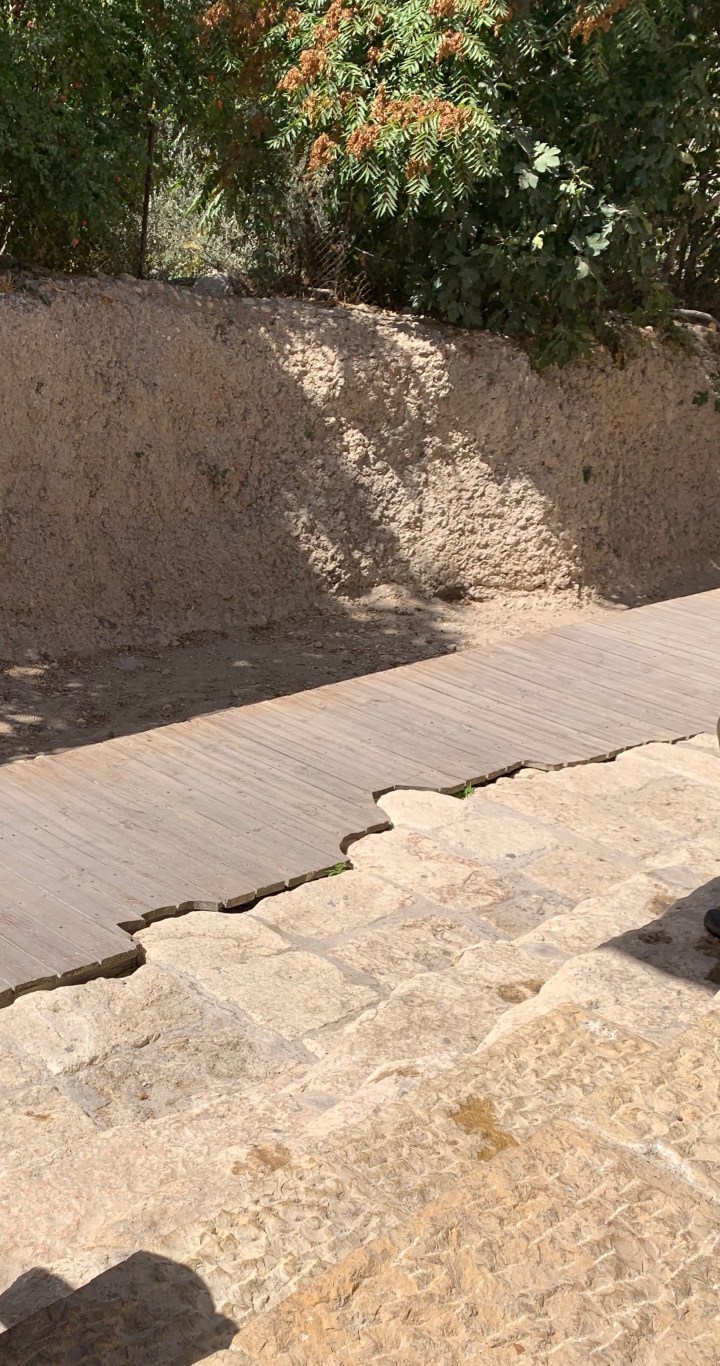
Our last stop before lunch was at the Pool of Siloam, an area only partially excavated at present. I’m grateful buses finally picked us up outside the excavated areas. Buses can’t fit into most parts of the Old City. The only forms of transportation other than walking include motorcycles, small cargo tractors, bicycles, and a few small cars that have been permitted to enter.

After lunch we had free time; John caught up on his email communications, and I had underwear to wash. Woo-hoo!

O Not-So-Little Town of Bethlehem

Just to the east of Jerusalem is the famous town of Bethlehem, birthplace of Jesus. It is also known as the location for the tomb of Rachel, the field of Boaz, and the birthplace of King David.

The population of Bethlehem is split almost in half between Muslims and Christians, although ironically, more and more Christian residents seem to be moving away. It’s hard to be a Christian in Bethlehem. We were encouraged to buy from a gift store run by a Christian family. They depend on tourists to survive. Every day busloads of people come into town, but many do not stop at this shop. Let’s just say we did our part to help the economy.

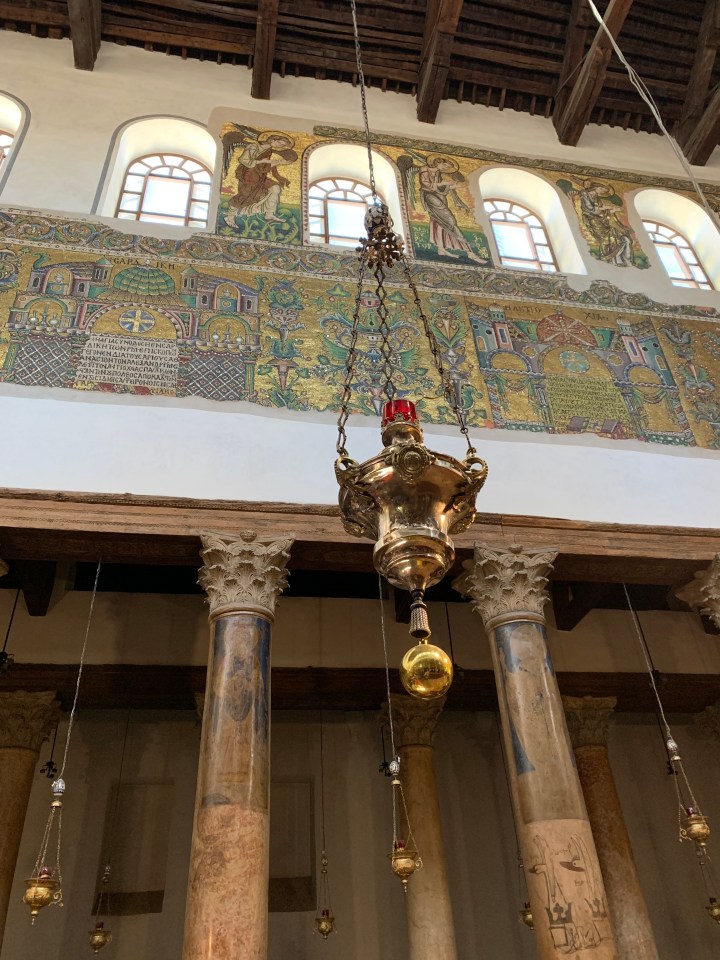
The phenomenal numbers of people who visit Bethlehem on a daily basis could make one claustrophobic, especially in the basilica (Church of the Nativity) that marks the spot thought to be Jesus’ birthplace. Jerome translated scriptures into the Latin Vulgate Bible here–in a cave underneath the church, no less! Long lines everywhere kept us from waiting to see the small rock believed to be part of Jesus’ humble birthplace. We did go, however, to a lesser known and smaller Chapel of the Angels. Designed by Italian architect Barluzzi, it is said to have perfect acoustics with its round, high dome. We sang several Christmas songs here to become a glorious choir. Next to the chapel is a shepherds’ cave, and here Pastor Brad gave a short message on the Good Shepherd. We sang several more Christmas tunes here as well.

On the return to our hotel, we stopped at the Israel Museum to see a huge relief map of Jerusalem at the time of the Second Temple City. We also viewed some of the Dead Sea Scrolls in a climate-controlled area known as the Shrine of the Book.

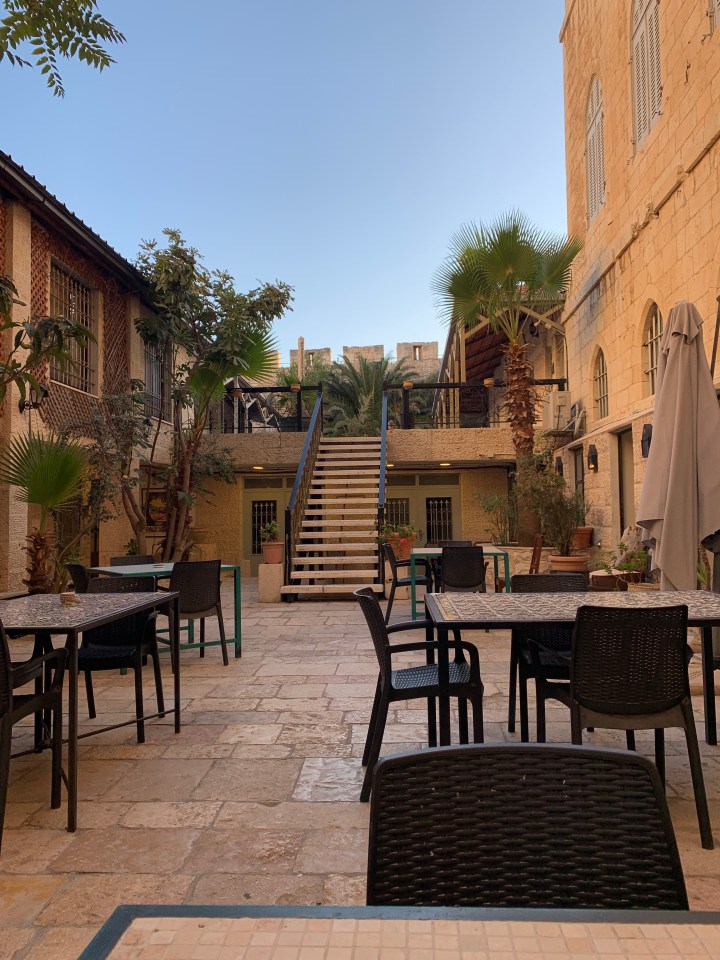
Seven people hopped off the bus to visit the Holocaust Museum, but John had work waiting, and my feet needed a rest. Now I’m sitting in the hotel’s beautiful courtyard which has better internet service than our own room!

To Jerusalem

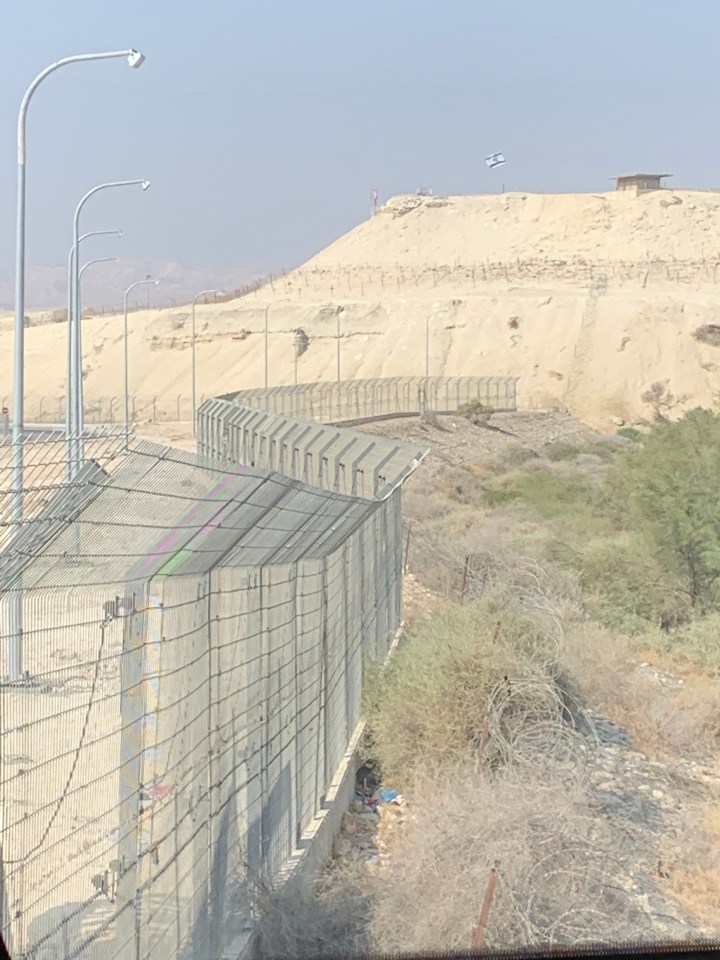
We left the beautiful Sea of Galilee and headed southward to Jerusalem through increasingly arid soil. Following the West Bank of the Jordan River, we could see eastward into Jordan again. The highway itself is currently the responsibility of Israel, but the Palestinians technically claim land on both sides. For some miles we drove through “no man’s land,” where the political conflicts continue.

We stopped at Bethany Beyond the Jordan, the traditional site of the baptism of Jesus by John the Baptist. Here we witnessed many in our group who chose to either be baptized or undergo a mikveh (rededication). On the Jordanian side of the river, an armed soldier stood silent guard.

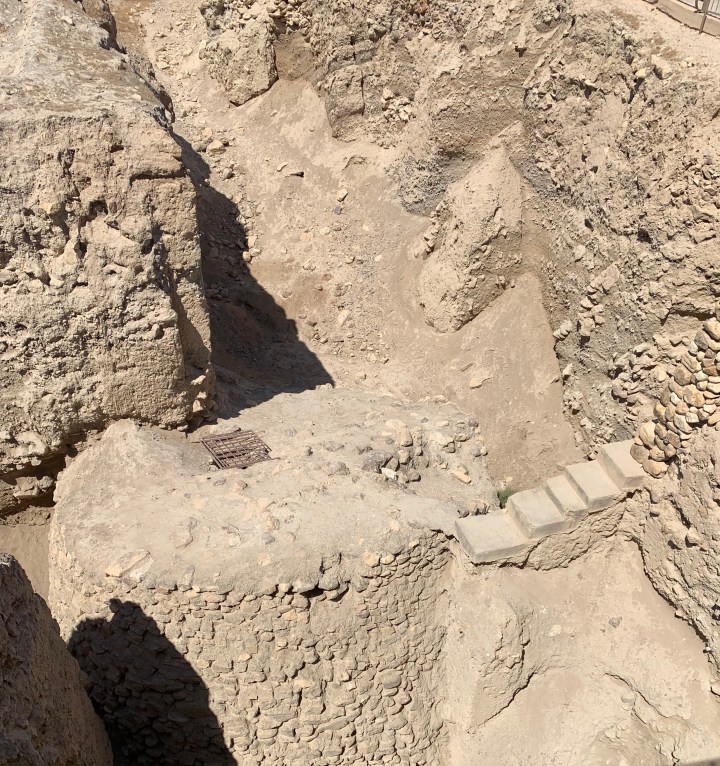
The next respite came in Jericho, which claims to be the oldest city in the world. Even though the topography is mostly desert, several springs of water make it a greener place than surrounding areas. In fact, many rows of date palms grow in the vicinity. Some of the most well-known stories involving Jericho include the hiding of spies by Rahab, the walls falling down in Israel’s first conquest, and the tempting of Jesus at a mountain overlooking the town. We saw some of the ruins, including a tower.

The final part of our journey took us into Jerusalem, where we walked down the steep “Triumphal Entry” road on the Mount of Olives past several churches and into the Garden of Gethsemane. The hillside facing the walled, ancient part of Jerusalem is covered with mostly Jewish graves, many pointed toward the Golden Gate awaiting resurrection at the coming of the Messiah who is supposed to enter that gate. The roadway and church sites teemed with world citizens, including many Christians from India. Another Muslim call to worship eerily wafted over a loudspeaker from the Dome of the Rock area across the deep Kidron Valley. Jews, Christians, and Muslims continue to coexist in this historically significant city. Sadly, the booming tourism industry both helps to hold a temporary peace yet hinders lasting solutions.

After dinner at our current residence–the medieval Knight’s Palace Hotel inside the Jaffa Gate, we attended a laser light show at the Tower of David, a stunning castle.

Looking Into Lebanon

The day began fearfully for me. After last week’s hike in Petra where I almost collapsed from the heat, I didn’t know how today’s walk to the headwaters of the Jordan River would go.

It actually turned out to be easier than expected–some shade and cooler temps helped a lot. Our walk was in the area known as the Golan Heights, in the shadow of Mt. Hermon at the Tel Dan Nature Reserve that has preserved many archeological points of interest. Mt. Hermon is referred to throughout the Old Testament as a beautiful sentinel over God’s Promised Land. The Jordan River flows from snow melt and underwater springs around Mt. Hermon.

We saw remnants of the “High Place” sacrificial stones where King Jeroboam erected golden calves. A mud brick gate, constructed by Caananites, served as a town entrance at the time of Abraham about 4,000 years ago. In contrast, a nearby ancient town in ruins proves to be Israeli because of the stone construction method.

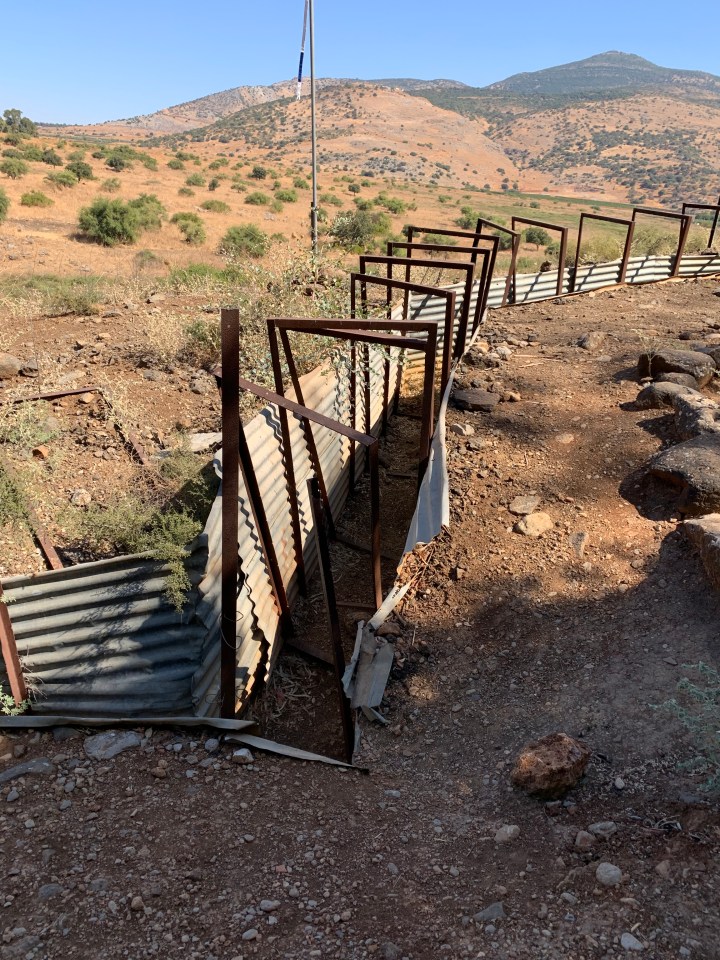
All of these spots stand in or very near disputed border areas. We could look across a meadow and see a town in Lebanon; Syria was just over another hill. We walked by Israeli trenches leftover from the Six Day War with Syrian forces. A few hearty souls even walked in them!

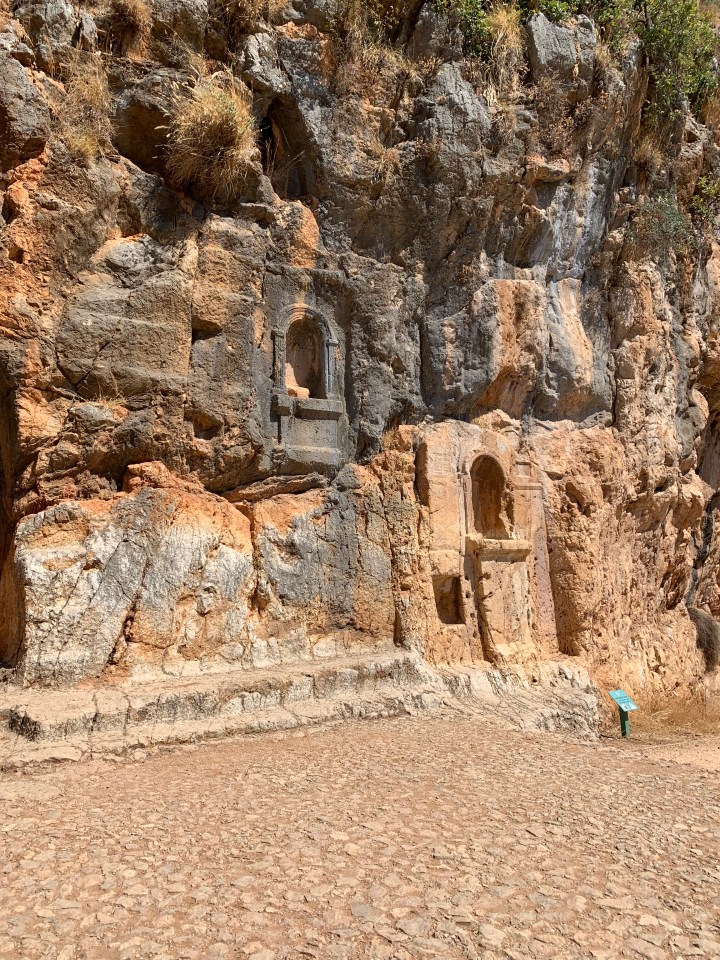
We ended our day of touring with a visit to the Springs of Banias, a Roman place of shrines built into cliffs. People came there to choose which god to worship. When Christ’s apostles visited, they did not go to worship but to proclaim Christ’s deity.

On the return to our hotel in Tiberias, we drove by many rocky, remote stretches of land and occasional military installations. The sober reality of unrest came into focus with signs alongside the road that stated: “Firing Area Enterance [yes, spelled that way] Strictly Forbidden.”

As the Sea of Galilee came back into focus, my jaw relaxed, and I felt I had returned from eons of war-torn history into a sliver of peace.

Church on a Boat

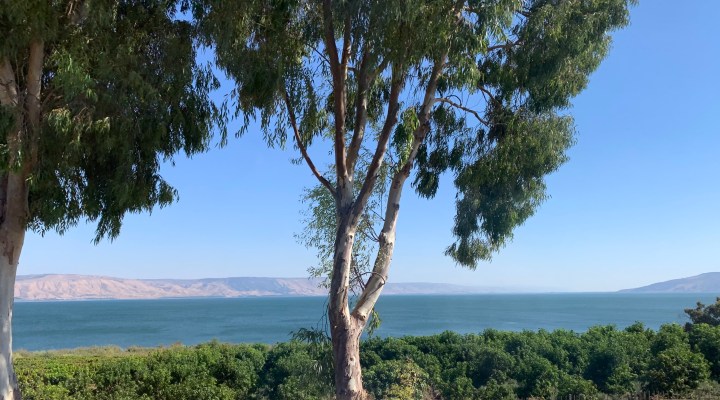
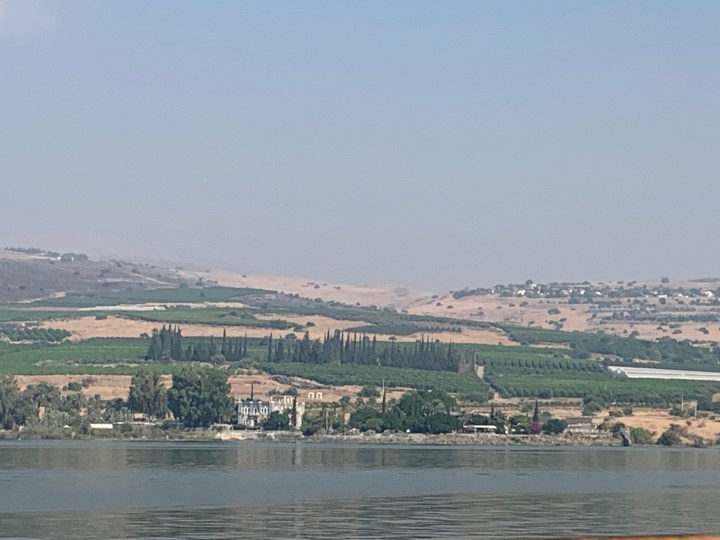
The highlight of the day turned out to be the first activity–riding across the Sea of Galilee to Capernaum on a boat. The Sea of Galilee is 33 miles around by shoreline, and it’s the lowest freshwater lake on earth (200 ft. below sea level). Since it’s Sunday, we had a service filled with singing, Scripture reading by a United Methodist minister on the trip, and a short sermon by Pastor Brad. I have never enjoyed a service as much as this one. Hazy shorelines added to the mystique.

Our lunch consisted of a whole fish along with the side fries and vegetable salads. What a way to remember the Sea of Galilee trip!

We visited four more church sites today–beginning with nearby Capernaum, which became the hometown of Jesus as an adult, and it was also where he called many of his disciples. Jesus taught in the synagogue there, and it’s believed the remnant of this synagogue may be the actual place where Jesus taught and either offended or astonished many. The purported site of Peter’s octagonal-shaped house and church has been protected by a modern church being built by suspension over the ruins.

This town became the center of many recorded miracles–the healing of Peter’s mother-in-law, the centurion’s servant, the nobleman’s son, two blind men, and the hemorrhaging woman. We also read of a mute demoniac and a paralyzed man being healed. One of the most amazing miracles stated that Jairus’ daughter was raised from the dead.

A few miles away was a recently rebuilt (after being set on fire by fundamentalist Jews) church at Tabgha, which means “seven springs.” It’s been traditionally recognized as the site of the feeding of the 5,000. I was surprised to learn there may have been two mass feedings–another at a spot on the eastern shore of the Sea of Galilee.

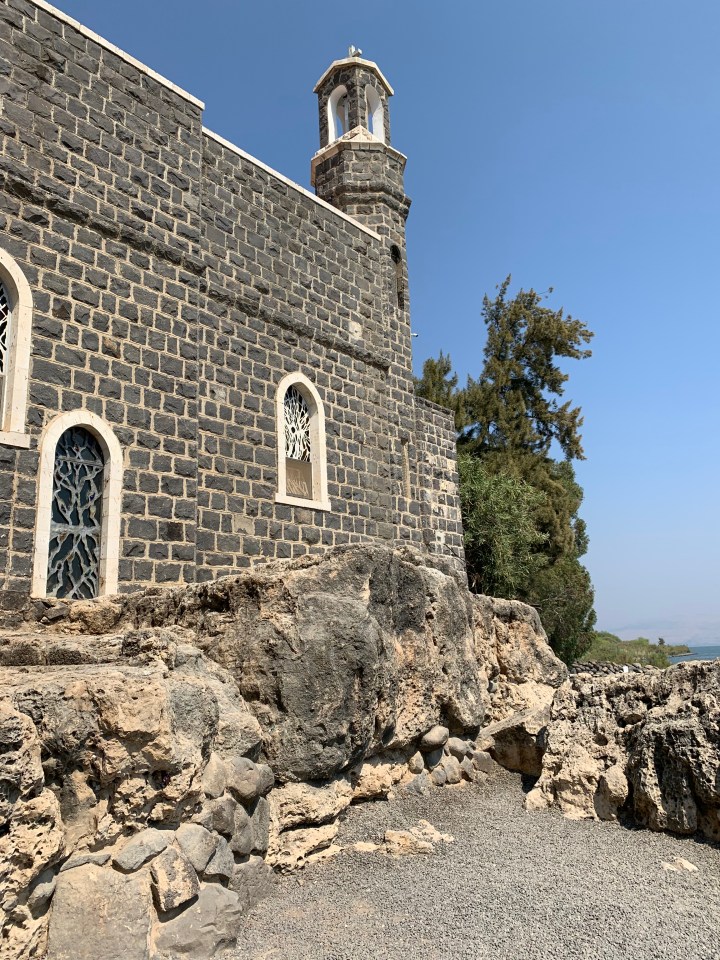
Another church we visited was one attributed to Peter–and had been built on a rock foundation by the lake. The story goes that Peter went back to the work he knew of being a fisherman, but Jesus came and cooked him a meal to see if he would return to follow him. In Jewish tradition, eating a meal together can signify reconciliation.

We ended our excursion today by going to the Byzantine church at the top of the Mount of Beatitudes on the northwestern shore of the Sea. I could hardly believe the height of this mountain with its stunning views of the water far below. An eight-sided church designed by an Italian architect in the 1930s is run by Franciscans and lists each of the eight beatitudes along the walkway up toward the church at the top of the mountain.

Run Northward

The day was filled with sightseeing: driving up the coastline and then heading to the Sea of Galilee by sunset. I didn’t post last night because I tired myself out with hand washing socks and underwear. 🙂

We stopped first in Caesarea, a harbor on the Mediterranean that Herod the Great loved so much he built his summer palace there. Excavation continues, but we viewed major architectural ruins–his swimming pool by the sea, an amphitheater for arts performance and a hippodrome for sports entertainment. Others who lived in this town included Pontius Pilate, Phillip the Deacon, and the centurion Cornelius. Both Peter and Paul visited, with Paul being imprisoned here for two years–before he was shipped to a prison in Rome.

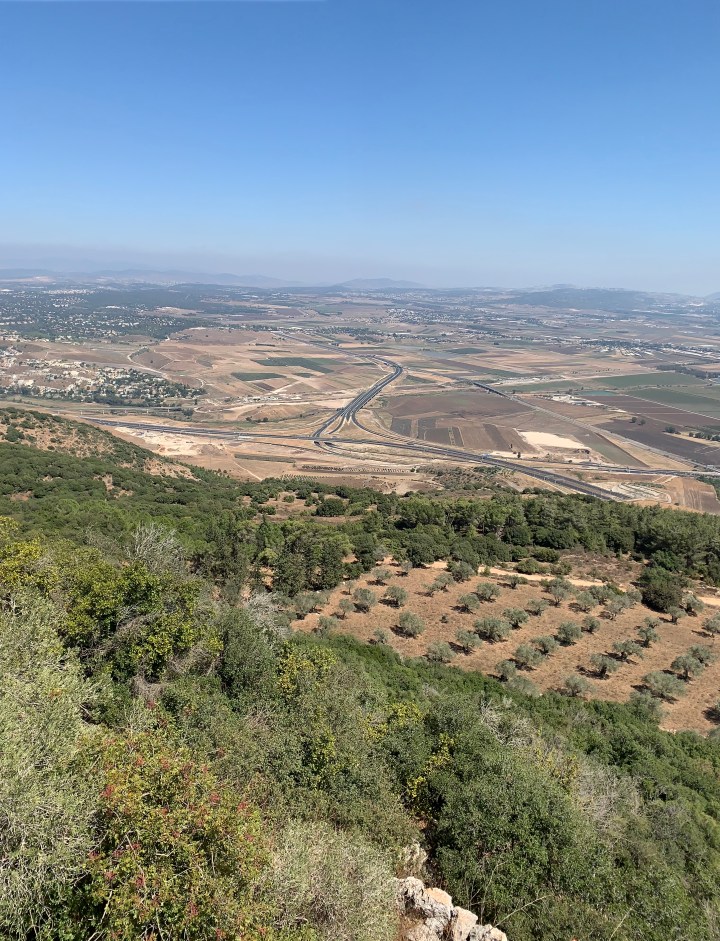
Next we visited Mount Carmel, the spot where Elijah taunted the prophets of Baal and won a fiery contest there. Sadly, it’s also the place where Herod the Great murdered a wife and sons; he also built a pagan temple there. The Mt. Carmel church has a rooftop observatory with one of the most amazing views over Israel. We could see the Kishon Valley, Nazareth, Mt. Tabor (Mount of Transfiguration), Mt. Hermon, and part of the Valley of Megiddo (Armageddon).

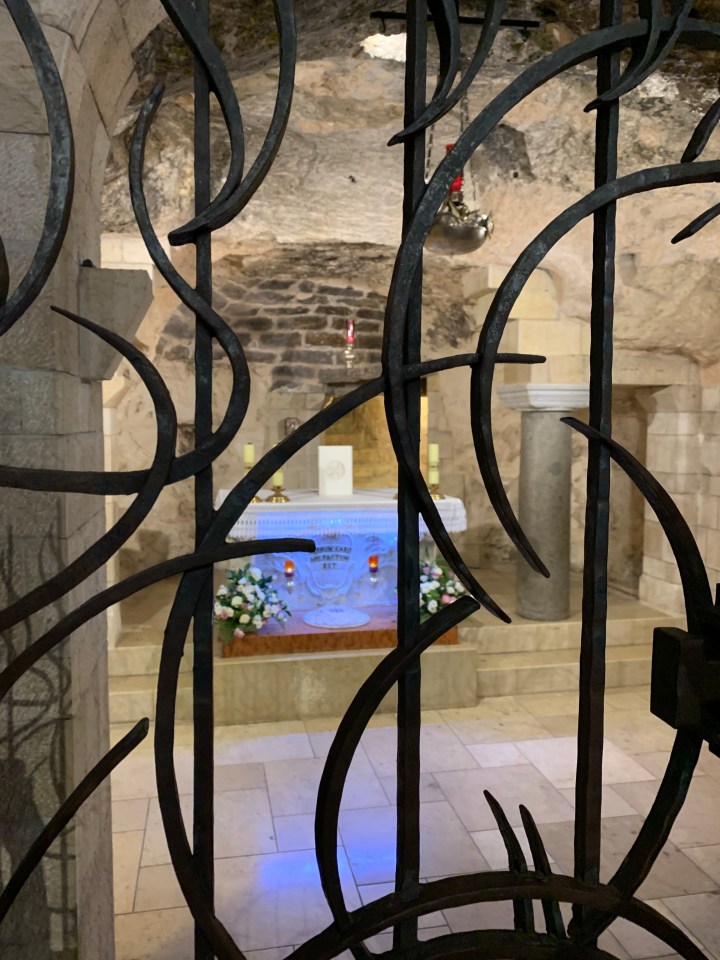
Next we drove into hilly Nazareth, which is occupied by 80,000 (mostly) Muslim people. The Church of the Annunciation is a very elaborate church memorializing the purported spot of Mary’s house where the angel Gabriel appears to her to announce the birth of Jesus. After Jesus was born in Bethlehem during a trip to pay taxes and subsequent flight to Egypt, the family returned to Nazareth where Jesus enjoyed his childhood.

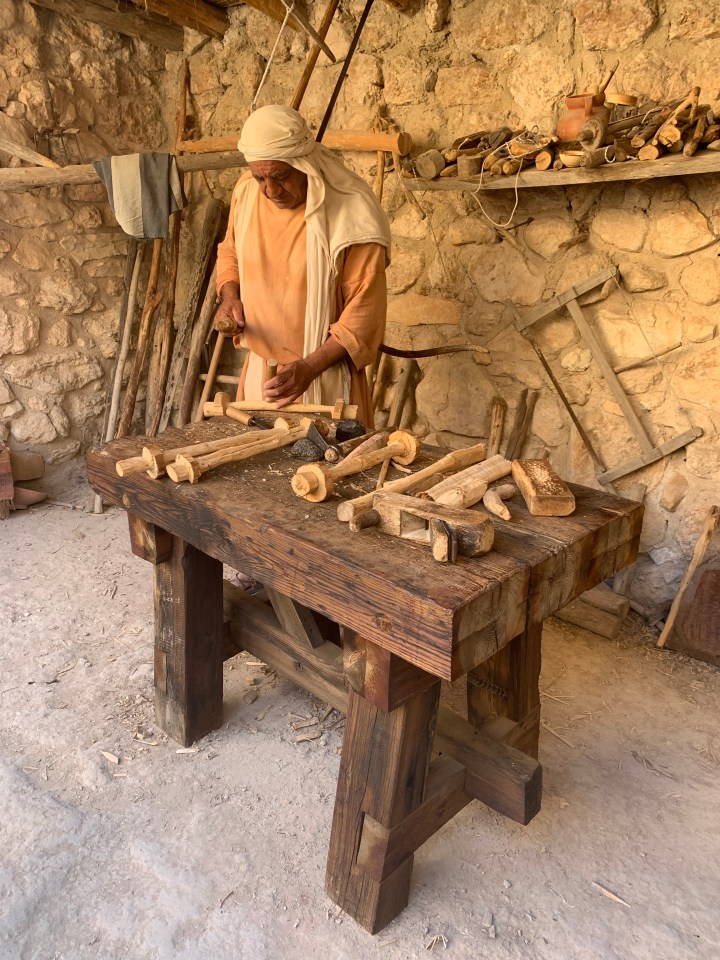
We also visited Nazareth Village, a first century farm re-enactment that explained wine making, olive oil pressing, carpentry, weaving, and irrigation terracing for crops. We saw a donkey and some sheep. I was surprised to learn that Joseph and Jesus were not just carpenters but also architect/home builders with wood and stone. That information is derived from the original Aramaic writings about Jesus.

We ended the day’s touring with a literal run up a steep hill in the town of Cana to the revered site of the wedding feast where Jesus turned water into wine–Jesus’ first miracle. Our guide begged to have the priest open the church which had just closed minutes before. As we stood in the courtyard, fireworks at a nearby wedding feast exploded, and a Muslim call to worship sounded in the background (hear video of the call).

We hopped back on the bus to go a few miles to our hotel on the Sea of Galilee in the resort town of Tiberias. Thankfully, we will stay here three nights and take tours into the northern sections of Israel. We’re definitely out of the desert now!

Travel to Tel Aviv

This morning we left the country of Jordan and endured several hours of waiting on the bus and walking through more than one security line to return to Israel. I think I should never complain again about American security!

Tonight we will meet up with 30 more sojourners from Denver who will expand our group to two busloads. About eight people in our group to Jordan were sick last night and today. Salmonella or heat stroke are likely suspects. So we’ve all been trying to help each other–and we pray for health and strength the rest of this trip!

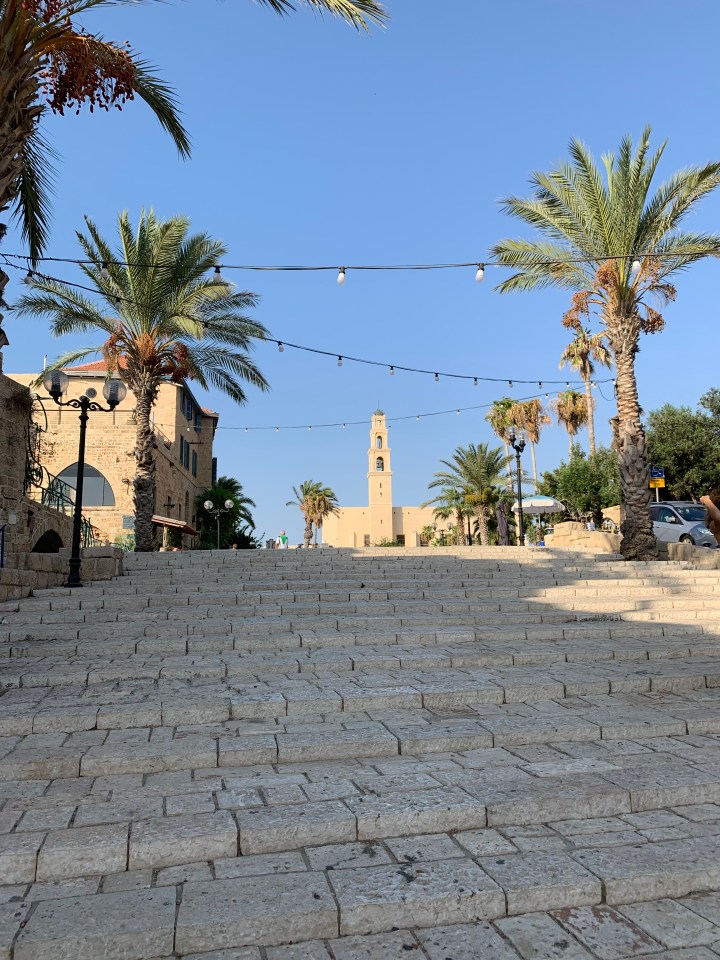
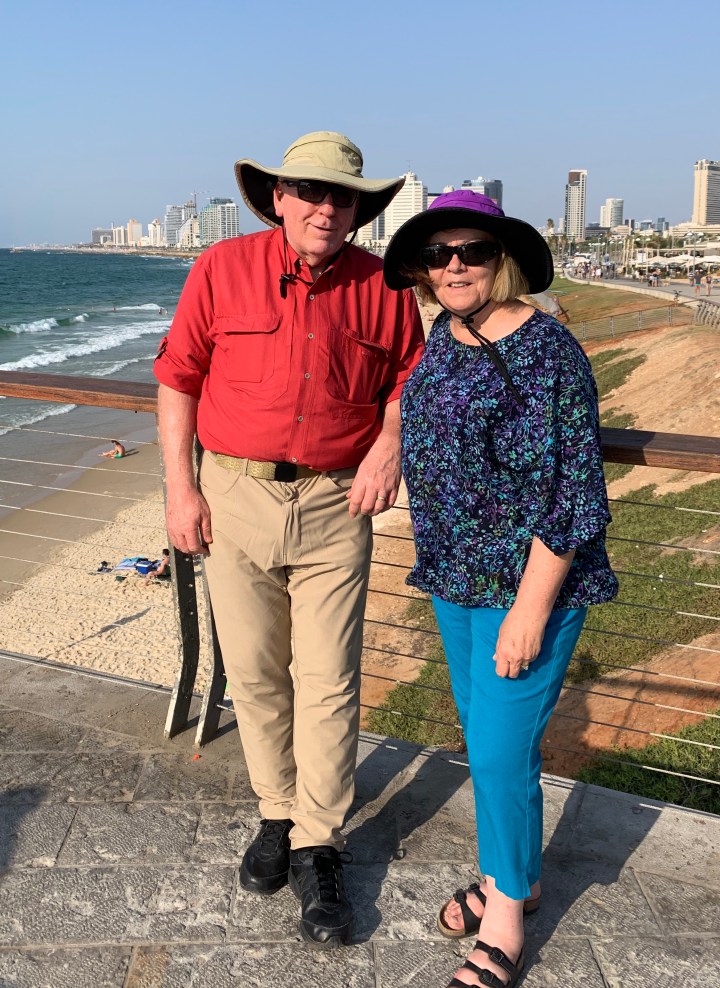
When we finally arrived in Tel Aviv and checked into our hotel, we had a wonderful panorama of the Mediterranean Sea. Being granted a few hours to explore on our own, John and I chose to walk about a mile to Old Town Jaffa. There we saw people lounging on beaches, boats sailing across the water, people fishing, street musicians banging on drums, a lighthouse, a sea wall, an old church, and Simon the Tanner’s house–who “hosted St. Pete” as the sign declared.

Of course, I had to walk into the water. No swimming for me–even though it has been extremely hot on this journey and we need to stay hydrated.